
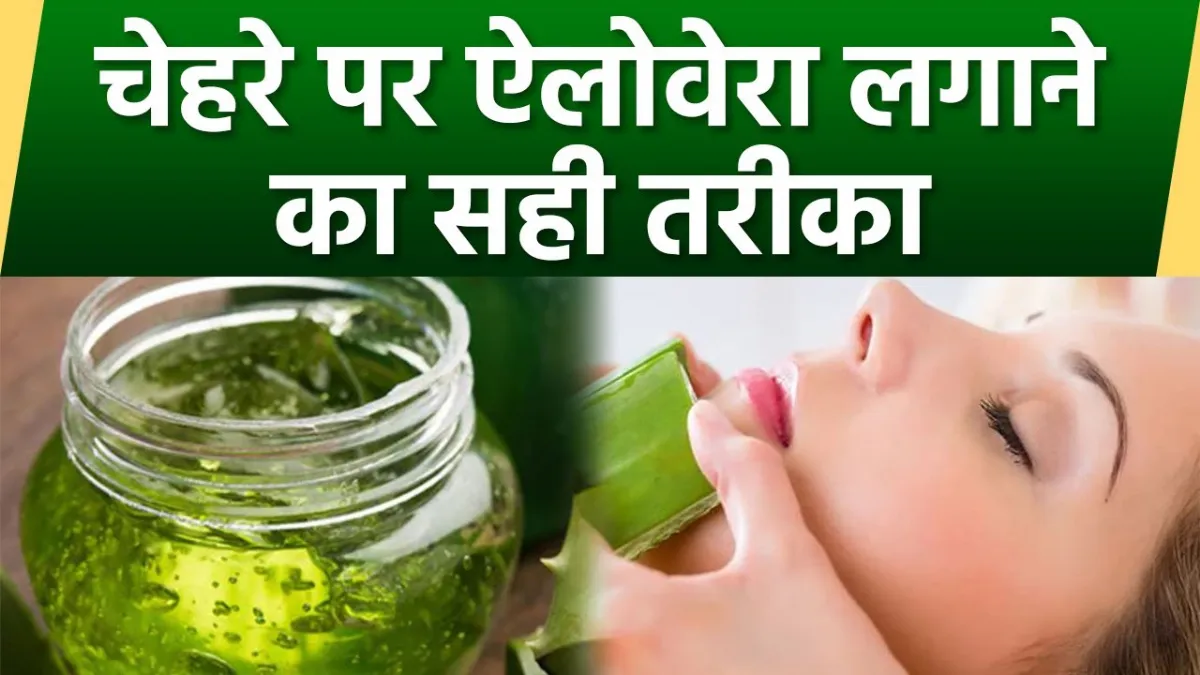
Applying Aloe Vera to your face is only truly beneficial when done correctly and at the right time. Based on experience, many people use Aloe Vera but fail to see results because of haste or incorrect application methods.
Aloe Vera is a natural remedy that works gradually with your skin. Following the right steps helps it effectively cleanse, soothe, and heal your skin.
1. Start with a Deep Cleanse
Cleaning your face is the most critical step before applying Aloe Vera. If your skin has a layer of dust, oil, or sweat, the gel won’t be able to penetrate deeply.

3 चीजें भिंडी के साथ मत खाना नतीजा आप खुद देख लो General Knowledge
- Pro Tip: Use lukewarm water to wash your face. This helps open up the pores, allowing the skin to absorb the Aloe Vera much more effectively.
2. Always Use Pure and Fresh Aloe Vera Gel
Whenever possible, use fresh gel extracted directly from an Aloe Vera leaf. If you are buying it from a store, ensure it is free from added fragrances or artificial colors.
- Application: Take a small amount on your palm and apply it gently. You don’t need a thick layer; a thin, even coating works best for gradual improvement.
3. Massage Gently During Application
Massaging the gel into your skin using light, circular motions is highly beneficial. This boosts blood circulation and ensures the gel reaches the deeper layers of the skin.
- Note: Do not apply heavy pressure. Using a soft, relaxing touch helps relieve facial fatigue and allows the skin to feel more rejuvenated.
4. Overnight Application Yields Better Results
Applying Aloe Vera at night is considered the most effective method because your skin enters a repair mode while you sleep.
- The Process: Leave the gel on overnight to let it work deeply. In the morning, wash your face with plain water. With regular use, you will notice a visible improvement in skin hydration and clarity.
5. Never Skip the Patch Test
Every individual has a different skin type. Before making it a part of your daily routine, perform a patch test.
- How to do it: Apply a small amount of gel to the inner part of your arm. If you don’t experience any itching or irritation after some time, it is safe for your face. This simple precaution prevents potential skin damage.
Disclaimer: This information is based on general home remedies and skincare experiences. Every skin type reacts differently. In case of allergies or severe skin conditions, please consult a specialist. This should be treated as general information, not as medical advice.